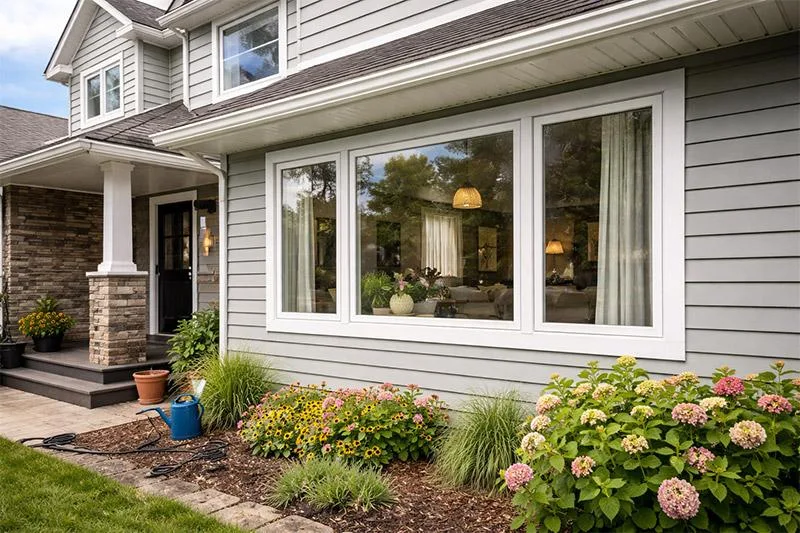

When the first 65-degree Saturday hits, a collective fever takes over the neighborhood. We all rush to the local nursery, load the back of our SUVs with brightly colored flats of annuals, and start aggressively digging holes in the yard. Then, two weeks later, a late frost hits, the soil turns to mud, and half of those expensive new plants immediately die.
The biggest mistake homeowners make in the spring is skipping straight to the decorating phase without doing the gritty, unglamorous prep work first. After four months of freezing temperatures, snow, and heavy rain, your yard is in a state of shock. The soil is compacted, the roots are suffocating, and the structural borders are likely a mess. If you want a landscape that actually survives the summer, you need to lay the proper groundwork. Or, better yet, you can hand the headache over to a professional garden designer who knows exactly how to sequence a spring revival.
If you are determined to tackle the yard yourself this weekend, put the credit card away, leave the delicate flowers at the store, and follow this realistic guide to bringing your garden back from the dead.
1. The Brutal De-Sludging Process
Over the winter, the dead leaves, twigs, and organic matter that blew into your garden beds didn’t magically decompose. Thanks to the snow and freezing rain, they turned into a dense, slimy mat that is currently choking the life out of your soil.
This matted layer acts like a waterproof tarp. It prevents early spring sunlight from warming the dirt and stops fresh rainwater from reaching the roots of your sleeping perennials. Even worse, it is the ultimate breeding ground for fungal diseases and overwintering pests.
Put on heavy gloves and physically rake out the sludge. Clear away the decaying leaves from the base of your shrubs, pull up the dead annuals you left in the ground last November, and expose the bare dirt. Your plants literally cannot breathe until you remove the winter rot.
2. Waking Up the Dead Dirt
Once the beds are clean, you are going to realize the dirt looks terrible. It is probably pale, hard, and cracked. Winter strips the topsoil of its vital nutrients and violently compacts it. If you try to stick a new plant into that concrete-like dirt, its roots will never expand.
You have to revive the soil biology before you plant a single seed. Do not reach for a bottle of bright blue chemical liquid fertilizer. Chemicals give plants a temporary sugar rush, but they do absolutely nothing to fix the actual soil structure. Instead, you need heavy organic matter.
- Buy bags of high-quality organic compost or well-rotted manure.
- Spread a thick, two-inch layer directly over the top of your garden beds.
- Take a pitchfork or a hand tiller and gently work it into the top few inches of the existing dirt, being careful not to slice through the roots of your established plants.
This immediately reintroduces beneficial microbes, dramatically improves drainage, and creates a soft, loamy environment that new roots can effortlessly push through.
3. The Ruthless Pruning Phase
Early spring, right before the trees and shrubs fully leaf out, is the absolute best time to prune. Because the branches are bare, you can clearly see the structural skeleton of the plant.
Plants waste a massive amount of energy trying to heal dying branches. You need to redirect that energy into new growth by cutting away the dead weight. Grab a pair of freshly sharpened bypass pruners and look for the “Three Ds”:
- Dead: If a branch snaps easily and is brown and dry inside, cut it flush with the main stem.
- Damaged: Look for branches that were splintered by heavy ice or chewed up by winter deer.
- Diseased: Look for weird fungal spots, black cankers, or rotting wood.
Additionally, look for crossing branches that are rubbing against each other in the wind. That friction creates an open wound in the bark where insects can easily get inside. Pick the weaker of the two branches and remove it entirely.
4. Fixing the Hardscape Handover
A beautiful flower bed looks incredibly messy if the structural borders surrounding it are falling apart. Winter freeze-thaw cycles are brutal on hardscaping. The water in the ground freezes, expands, and violently heaves anything sitting on top of it.
Before the plants get too big and block your access, fix the bones of the garden.
- Take a rubber mallet and pound your metal or plastic edging back into the dirt.
- Re-level the stepping stones that popped up in January.
- Check your wooden raised beds for rotting corners and replace the hardware.
- Scrub the green winter algae off your decorative ceramic pots.
Establishing crisp, clean edges visually tricks the eye into thinking the garden is perfectly manicured, even if the plants haven’t fully bloomed yet.
5. The Cool Weather Plant Strategy
If you absolutely cannot control the urge to plant something, you have to buy strictly for the current climate. In most parts of the country, early spring nights still dip into the thirties. If you plant tomatoes, basil, or delicate summer annuals right now, a surprise Tuesday night frost will kill them instantly. Stick to cold-hardy plants that actually thrive in chilly, wet weather.
A Spring Garden
A thriving summer landscape is entirely dictated by what you do in the mud in March and April. Stop rushing the aesthetic part of gardening. If you take the time to aggressively clean out the rot, rebuild your nutrient base, and sharpen your borders, the actual planting phase becomes incredibly easy. Do the heavy lifting now, and your yard will practically run on autopilot by the time the summer heat arrives.